
Color Duck Blast
Zenergy GameBoard
4.522.00 Reviews
- Version
- 1.27.2
- Installs
- 10.00K
- Age Rating
- Everyone
Screenshots
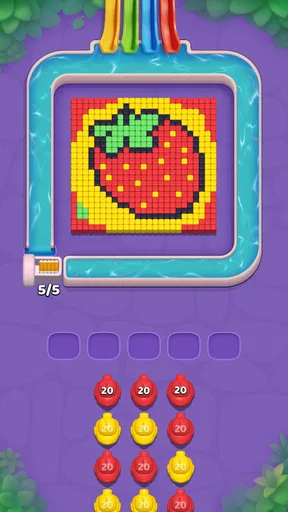
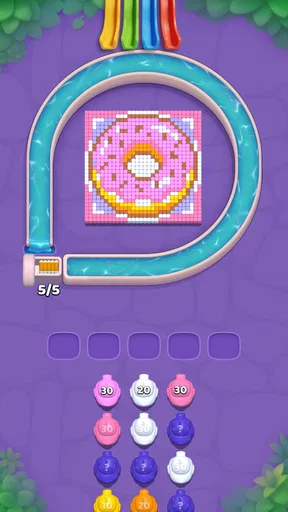
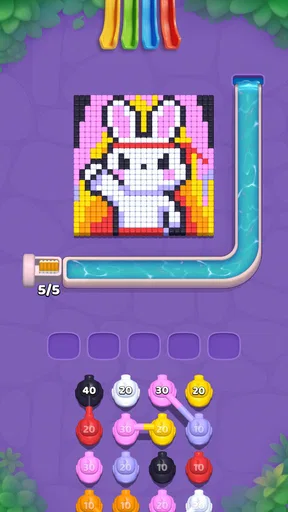
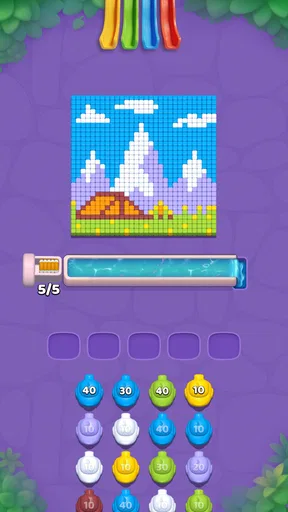
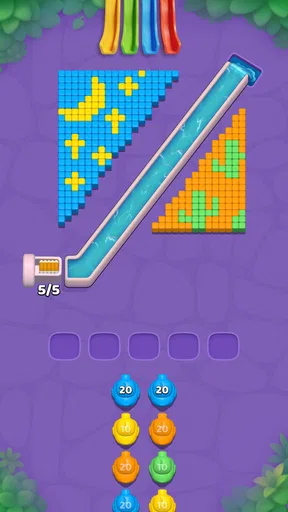
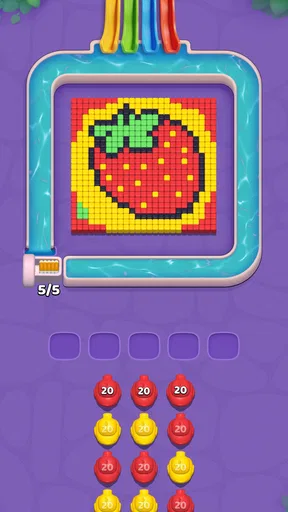
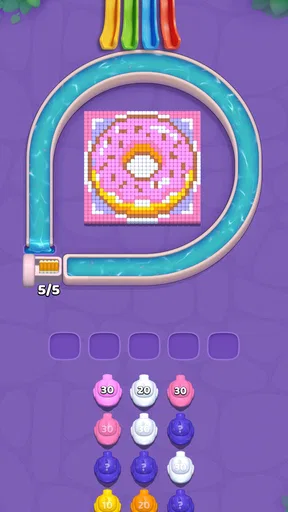
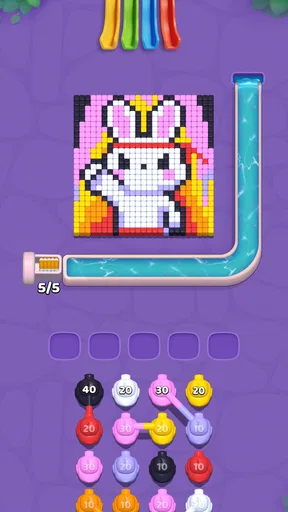
Our Review of Color Duck Blast
 Analysis by Appyee
I picked up Color Duck Blast expecting a simple board game for short breaks, and that is exactly where it makes the most sense. The basic loop is easy to understand: tap groups of colorful blocks, create satisfying clears, and enjoy the cheerful duck theme without having to learn a complicated rule set. I found it especially suitable for a shared phone or tablet because someone can open it, play a few turns, and hand the device to another person without a long explanation.
That simplicity is also the game’s main identity. It is not trying to replace a deep strategy board game, and it does not offer the same kind of long-term planning as a traditional puzzle title with elaborate systems. Instead, it aims for a relaxed blast-game rhythm that works when I have only a few minutes. The result is pleasant and approachable, although players who want demanding tactics or a strong competitive layer may eventually find it too light.
How it works when several people share one device
In a household setting, I would treat this as a pass-the-device game rather than a multiplayer experience. One person can complete a turn or a short session, then another can take over. That distinction matters: the appeal is in sharing the same game casually, not in expecting separate profiles, synchronized progress, or a built-in family activity. I would avoid assuming that one player’s progress can be cleanly separated from another’s unless the game itself clearly offers that option on the device.
A realistic use case is a quiet evening when a child wants something colorful, a parent has a few minutes between chores, and another person is waiting for their turn with the tablet. The controls are accessible enough that a new player can understand the central action quickly. I like that there is no need to explain a complicated board layout before handing it over. The downside is that a shared session can become confusing if everyone treats the same progress as their own, so a simple household agreement helps: decide who is playing, avoid changing settings casually, and pass the device only after finishing the current move.
The duck presentation gives the game a softer personality than a plain block-clearing board. It feels more welcoming for younger players and for adults who prefer a friendly visual style over intense competition. At the same time, the cheerful theme should not be mistaken for a full children’s learning game. Its value is entertainment and easy interaction, not teaching, reading practice, or structured skill development.
What to check before handing over the phone
Because this is a free game with optional in-app purchases, I would set expectations before letting a child use it on a shared device. The available purchase range runs from ninety-nine cents to ninety-nine dollars and ninety-nine cents per item, so the safest routine is to keep purchase approval under the device owner’s control. That is more important than the bright artwork might suggest. A child may understand the game immediately without understanding that tapping through a purchase flow can have real consequences.
I also recommend checking which app-store account is active on the device and whether a payment method is already attached. This is not a criticism of the game itself; it is sensible preparation for any free title that offers optional purchases. If several people use one tablet, the person responsible for the account should be the one who installs updates, reviews purchases, and decides whether the game remains available. That creates a clear boundary without pretending the app is a dedicated family-management tool.
The game is marked for Everyone, which fits its accessible board-game presentation. I still would not use an age label as a substitute for supervision. Younger players may need help with the meaning of a purchase prompt, while older players may need help understanding that a short, relaxing game can still encourage “one more round” behavior. The age context tells me the content is broadly approachable; it does not settle every household question about screen time, spending, or shared progress.
On Android, the listed minimum requirement is version 6.0, making it compatible with a wide range of older devices that still meet that requirement. For a shared tablet, I would install it on the device that is easiest to pass around and has a comfortable screen, rather than automatically choosing the newest phone. Block groups and small visual details are easier to follow when the display is not cramped. I would also leave enough free storage for normal app updates, even though the game itself is designed around a straightforward concept.
Coordinating turns without making the game feel like homework
The best household arrangement is informal but clear. I would give each player a short turn and let them decide whether to stop after a board or continue. If the game’s current state is shared, it helps to say out loud what the next player should avoid changing. For example, one person might be looking for a larger block group while another is tempted to tap immediately. That small pause can turn a solitary puzzle into a surprisingly engaging conversation about choices.
This is where the game has more usefulness than its simple premise suggests. Even without a formal two-player mode, people can discuss whether clearing a small group now is better than waiting for a more valuable-looking arrangement. I would not describe that as deep strategy, but it gives a household a reason to watch rather than merely wait. The trade-off is that the game may become less relaxing if several people constantly disagree about every tap. It works best when advice is optional and the person holding the device has the final say.
For a shared device used by both adults and children, I would keep a small note of whose turn is next if the session is interrupted. That sounds overly practical, but it prevents the common problem of someone reopening the game and assuming the current board belongs to them. I would also avoid using the game as a reward system tied to purchases or progress unless everyone understands the arrangement. Its free entry makes it easy to introduce, but optional spending can complicate an otherwise simple routine.
Another useful habit is to play it during natural waiting periods rather than during moments that require attention. I found this kind of blast game better suited to a short break, a quiet transition, or a relaxed end to the day than to a situation where someone must be ready to respond immediately. If a child is using the device while an adult is busy, the adult should still be able to check what is happening. The game is easy to understand, but that does not make unattended device use automatically appropriate for every family.
Where the board-game design succeeds and where it falls short
Compared with a classic board game, Color Duck Blast removes almost all setup. There are no pieces to sort, no rulesheet to read, and no table space to reserve. That makes it a better choice than a physical board game when I want instant access and a low-pressure activity. It is also less socially complete: a physical game naturally creates face-to-face interaction, while this one places the screen between players and usually gives control to one person at a time.
Compared with more demanding match-and-clear puzzle games, its strongest advantage is approachability. The duck theme and block-blasting action make the first few moments easy to grasp. Its limitation is that players seeking complex chain planning, a large strategic map, or a strong competitive structure may prefer another title. I would choose this game for comfort and convenience, not for a serious test of puzzle mastery.
It also differs from a traditional board game in how progress feels. A physical game usually has a clear beginning and end agreed on by the players. A mobile blast game is easier to reopen and continue, which is convenient but can make stopping less obvious. In a household, I would decide in advance whether the goal is one quick session or open-ended play. That simple boundary keeps the game from quietly taking over the time intended for dinner, homework, conversation, or sleep.
The game’s free price lowers the barrier to trying it, and the broad age rating makes it easy to consider for mixed-age use. Still, “free” should be read as free to start, not as a guarantee that every part of the experience is free of purchase prompts. I appreciate the low entry cost, but I would not recommend it on a child’s unsupervised account when spending controls are unclear. For adults, the decision is simpler: try the core loop first and only consider purchases if the game remains enjoyable after the novelty of the theme wears off.
Who will enjoy it most
I think this game is a good fit for someone who likes colorful board-style puzzles, quick interactions, and a gentle theme. It is particularly convenient for people who do not want to memorize rules before playing. A parent looking for a casual shared-device activity may appreciate how quickly another person can understand the central action. An adult who wants a few minutes of distraction may also enjoy it, especially if they prefer cheerful presentation over gloomy or aggressive visuals.
I would be more cautious recommending it to players who need substantial depth. If your favorite board games involve careful resource management, bluffing, negotiation, or long-term planning, this will probably feel limited. The same applies if you want a genuine multiplayer contest with separate turns, rankings, or clearly divided accounts. The game can support conversation around a shared board, but I would not buy or install it specifically expecting a complete household multiplayer system.
It is also not my first choice for someone who dislikes free-to-play structures on principle. Even when the core activity is enjoyable, the presence of optional purchases can change how comfortable the experience feels on a family device. In that situation, a paid puzzle game with a clearly defined purchase model may be a better fit, even if it has a less playful theme. The right choice depends less on the duck artwork and more on how much control the household wants over spending and access.
Practical expectations about support and updates
The game comes from Zenergy Game and has reached version one point twenty-seven point two. I read that as a sign that the title has gone through ongoing iteration rather than remaining at its first release build. The release date is listed as January 8, 2026, so anyone installing it should still judge the current experience by how it behaves on their own device, especially if the phone or tablet is older.
Its average rating is four point five from around two hundred thirty-four ratings, while the store shows around twenty-two written reviews. Those figures suggest a generally positive reception, but I would not treat them as a substitute for personal testing. A casual puzzle can feel excellent to one person and repetitive to another, particularly when expectations differ between a five-minute time filler and a main game played every day.
The listed install reach is over ten thousand installs, which places it in the smaller, more personal end of mobile-game discovery rather than among universally familiar blockbuster titles. That is neither a flaw nor a guarantee of quality. I see it as a reason to approach the game on its own terms: the appeal is the immediate board interaction and cozy presentation, not a huge community or a famous competitive scene.
My household verdict
After looking at how it fits into shared-device use, I see Color Duck Blast as a friendly casual game with a clear place in a household, provided the boundaries are simple. I would install it when I wanted an easy activity that adults and children could understand quickly, but I would keep account ownership and purchases with the responsible adult. I would also explain that sharing the same board is a cooperative arrangement, not the same as having private player profiles.
The most useful way to play is in short, agreed sessions. Let the person holding the device choose the move, invite suggestions without turning them into arguments, and stop when the planned break is over. That approach brings out the game’s relaxed strengths while avoiding its main household friction: unclear progress, accidental spending, and the temptation to keep going indefinitely.
My final recommendation is positive but specific. Choose it if you want an approachable board puzzle with colorful blast gameplay, a playful duck theme, and almost no learning curve. Skip it if you need deep strategy, robust account separation, or a fully featured multiplayer board-game replacement. For a shared phone or tablet, it works best as a small, supervised source of fun rather than the center of family game night.
Verdict
Strengths of Color Duck Blast
- Easy-to-learn matching gameplay suitable for quick casual sessions.
- Bright duck-themed visuals create a cheerful and family-friendly atmosphere.
- Levels gradually introduce challenges without overwhelming new players.
- Offline play makes it convenient when you have no internet connection.
- Simple controls work well on both phones and tablets.
Limitations of Color Duck Blast
- Later levels may rely heavily on boosters or limited moves.
- Repeated puzzle mechanics can feel monotonous after extended play.
- Frequent ads may interrupt the experience between completed levels.
- Progression can become slower if you avoid optional in-app purchases.
- Some effects and animations may feel demanding on older devices.
Other Releases by Zenergy Game
View All
Hole Eater 3D: Relaxing Puzzle
Casual4.7
Similar Picks in This Category
View All
Ludo King®
Gametion4.1

Ludo
Yarsa Games4.6

Tile Master® - Matching Game
Higgs Studio3.6

Checkers Online
CC Games4.6

Dominoes
Loop Games4.7

Chess
Chess Prince4.6
Frequently Asked Questions
What is Color Duck Blast and how do you play it?
Color Duck Blast is a casual color-matching puzzle game centered around cheerful duck-themed levels. You generally clear groups of matching colors, complete level objectives, and use boosters when the board becomes difficult. The gameplay is easy to understand, with short stages that suit quick sessions, although later levels can require more careful planning and strategic use of special items.
Is Color Duck Blast free to download and play?
Color Duck Blast can typically be downloaded and played without an upfront purchase, making it accessible to casual players. However, free-to-play puzzle games may include optional in-app purchases for extra lives, boosters, coins, or faster progress. You can usually advance without spending money, but patience may be necessary when lives or special resources are limited.
Does Color Duck Blast require an internet connection?
The basic puzzle experience may work without a constant internet connection, which is convenient for playing during travel or in areas with poor reception. Nevertheless, certain features can depend on connectivity, including advertisements, cloud synchronization, events, updates, and purchases. For the most reliable experience, open the game online occasionally and check its current requirements on your device.
Is Color Duck Blast suitable for children?
Color Duck Blast uses bright visuals, simple matching mechanics, and a lighthearted duck theme that can appeal to children and families. Even so, parents should review the store age rating and supervise younger players because the game may contain advertising, optional purchases, or links to external services. Device purchase restrictions are recommended if children use the phone independently.
What are the main advantages and disadvantages of Color Duck Blast?
The main advantages are its approachable controls, colorful presentation, short levels, and relaxing casual format. It is easy to start playing and offers enough challenge to keep puzzle fans interested. Possible disadvantages include repeated mechanics, advertisements, limited lives, and pressure to use boosters or make purchases during harder stages. Your experience may also vary depending on the game’s current version.
Play our best games!


